Quick Bites: Legal Penalties & Fines
- Filing false reports or shifting accident blame to evade third party liability claims triggers heavy criminal penalties and immediate asset freezes.
- Failing to report an accident to the local police desk within 24 hours can void your own-damage coverage under standard compliance rules.
- Unresolved accident disputes logged in the police FIR will cause the RTO to place a temporary blacklisted vehicle block on national servers.
Quick Bites: Financial Hacks
- Always leverage the subrogation clause to let your insurance provider’s corporate legal team fight complex tribunal battles in the background.
- A valid comprehensive policy shields your own balance sheet from absorbing uncapped financial damages ordered by accident tribunals.
- Route court settlement clearances or legal processing fees through channels that accept high-tier credit card offers for cashbacks.
Quick Bites: RTO Process & Fees
- The Motor Accidents Claims Tribunal (MACT) holds exclusive civil jurisdiction across India to calculate and award third-party accident compensations.
- The central Vahan portal cross-references policy validity timelines instantly during the legal verification steps of a claim review.
- Vehicles under active vehicle finance options require a formal No Objection Certificate from the lender before insurance firms clear major payouts.
The Legal Battleground: Protecting Your Net Worth After an On-Road Collision
You are managing your weekly corporate responsibilities, analyzing asset statements, and maintaining your vehicle portfolio when an unexpected highway incident disrupts your schedule. Another vehicle misjudges a turn, colliding with your luxury asset. Once the immediate physical safety check is clear, a complex wave of statutory and financial liabilities begins to emerge. For many modern motorists, the immediate instinct is to argue over on-ground fault rather than assessing the underlying legal architecture.
Navigating third party liability claims across India is a highly structured legal process controlled strictly by the Regional Transport Office (RTO) frameworks and the Motor Accidents Claims Tribunal (MACT). Mishandling the immediate documentation track can expose your personal balance sheet to uncapped civil damages or result in your own claims being completely denied by underwriting teams.
The transport database network is fully centralized. If an accident log is registered against your license code on national servers while your vehicle’s paperwork is non-compliant, software scripts freeze your records. This block can prevent you from applying for document updates or completing a smooth private sale, much like the rigid administrative freezes executed for an unresolved pay e-challan online citation.
Insulating your capital from aggressive litigation demands absolute mastery of accident settlement timelines and tribunal frameworks. This comprehensive cluster guide breaks down your statutory rights under the Motor Vehicles Act, the exact chronological process for filing or defending claims, and how to keep your transport profile fully optimized and protected across all state databases.
Deconstructing the Jurisdiction of the Motor Accidents Claims Tribunal (MACT)
When an on-road collision results in property destruction, severe physical injury, or fatal consequences for another citizen, the dispute exits standard civil court pathways. The Indian legal system channels these specific incidents directly into the Motor Accidents Claims Tribunal (MACT).
The MACT holds exclusive statutory power to adjudicate civil liabilities arising from vehicular impacts. Unlike standard property insurance claims that operate under fixed financial limits, third-party liability compensation awards for loss of life are completely uncapped by law. Tribunal judges utilize complex actuarial metrics—analyzing the victim’s age, professional income streams, and family dependency structures—to calculate massive compensation figures that can easily reach tens of millions of rupees.
If your automotive asset is backed by an active, legally binding liability policy, your provider absorbs this entire financial liability under statutory directives. Operating without this essential shield violates basic transport mandates, drawing heavy penalties under current guidelines. To review the precise on-road fines and license suspension structures executed for structural insurance non-compliance, check out our comprehensive guide on driving without valid insurance fines and penalties.

The Chronological Protocol: Step-by-Step Accident Settlement Workflow
If your vehicle is involved in an incident that triggers third-party liabilities, you must execute a strict, highly controlled sequence of administrative steps to protect your personal capital and ensure your motor policy remains fully binding:
- Secure Photographic Evidence: Before moving the assets, capture high-resolution images of the vehicle positioning, structural points of impact, license plate layouts, and surrounding road topography from multiple wide angles.
- File an Immediate Police FIR: Navigate directly to the local police jurisdiction managing the area and register a formal First Information Report (FIR). Ensure the officer records the exact vehicle registration profiles and insurance policy details accurately within the document text.
- Notify Your Underwriting Provider: Transmit an immediate incident notice to your insurance company’s claim desk. Provide the official FIR copy, photographic logs, and any available witness contact data to prevent your file from being flagged for delayed reporting.
- The Subrogation Route: If your vehicle sustained heavy damages due to the fault of another driver, claim the compensation under your own damage guidelines with your comprehensive policy first to complete repairs immediately.
- Tribunal Representation: Your underwriting provider’s corporate legal team will use the subrogation clause to step into your shoes, executing the long-term legal battle against the offending driver’s insurer to recover repair costs behind the scenes.
Executing this clean operational sequence insulates your personal savings completely, leaving the administrative and legal processing to professional corporate lawyers while you maintain focus on your core business schedules.
The Risk of Policy Voidance and Premium Hikes During Renewal
A major error made by many vehicle owners is failing to understand the exact conditional terms built into their insurance contracts. Your comprehensive policy functions as a powerful protective asset, but its validity is tied strictly to complete compliance with safety regulations.
If the police FIR or local medical reports prove that the driver was operating the vehicle while under the influence of alcohol or without a valid driving license, the underwriting company activates strict exclusion clauses. The provider will outright reject 100% of your own-damage repair claims, forcing you to fund heavy repair bills out of your own cash flow.
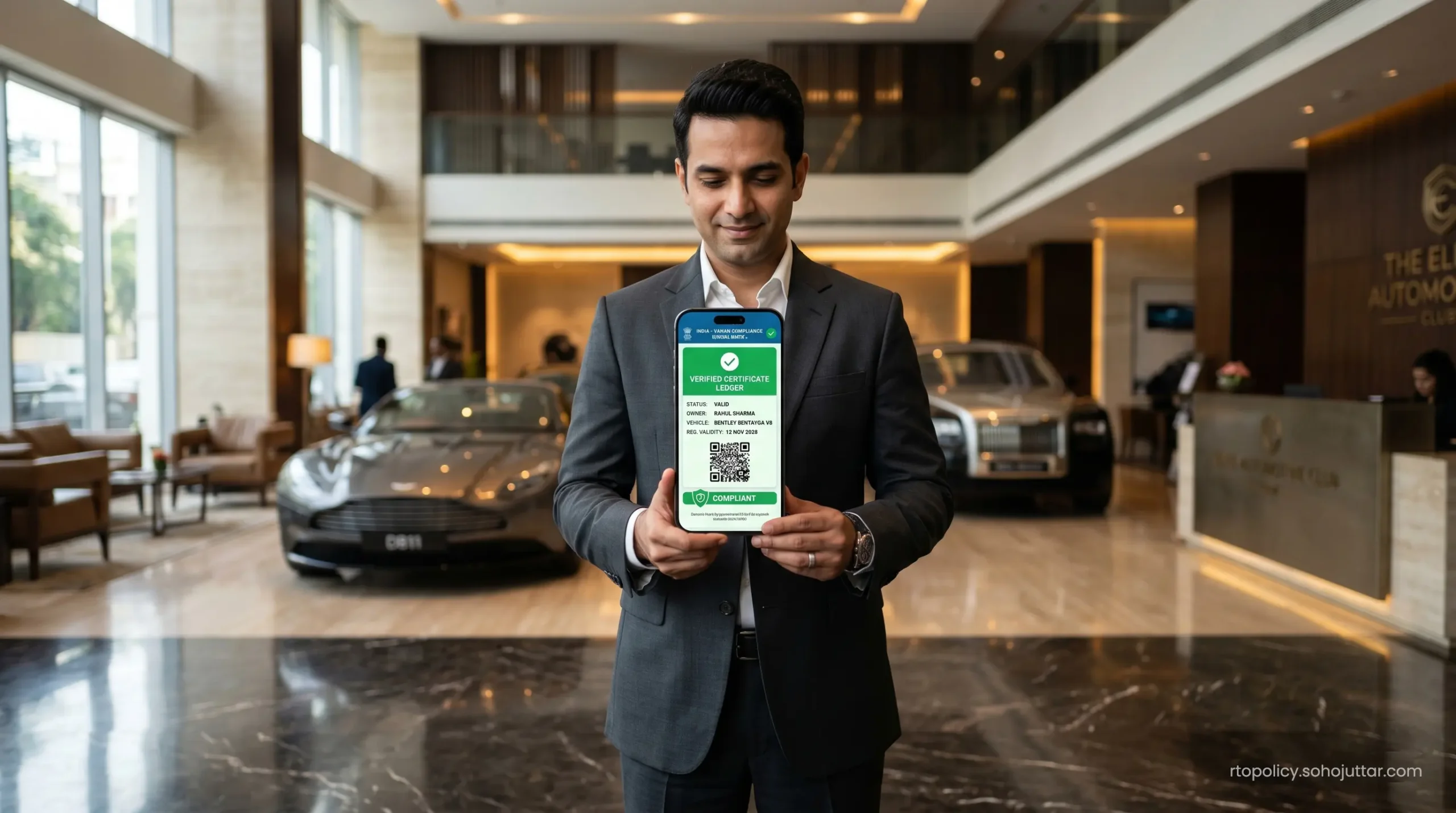
Furthermore, while the insurer must fulfill the mandatory third-party liability awards directed by the tribunal to protect public welfare, they will execute a personal recovery suit against you. The company will use court orders to freeze your bank accounts and liquidate your private investments to recover every rupee paid to the victim. To understand how these safety infractions compare structurally to general traffic rule enforcement metrics across state highways, review our foundational guide on checking your central e-challan status traffic fines history regularly.
💎 Mizanur’s Legal Hack: Optimizing Tribunal Defense Portfolios
If you receive a formal court summons from the MACT regarding a third-party claim, do not panic and settle with the claimant privately. Forward the document straight to your insurance company via registered mail. Under statutory guidelines, your provider is legally required to defend the case on your behalf. If you must pay any temporary processing fees or independent legal consultant retainers, clear the balances using high-tier credit card offers. Premium credit cards classify these professional service fees under specialized corporate spending lines, allowing you to secure substantial cashback statement credits that turn an aggressive legal dispute into a manageable financial workflow.
How Accident Claims Impact Your Motor Insurance Renewal Cycles
Registering an own-damage claim after an on-road collision impacts your future asset operational costs significantly. Modern insurance underwriter engines run automatic API checks against central transport servers during every motor insurance renewal loop.
The moment an accident claim is processed, your underwriting file is adjusted, instantly resetting your hard-earned No Claim Bonus (NCB) asset discount back to zero. Losing this benefit can cause your annual premium costs to double overnight if you had previously scaled your discount up to the maximum 50% bracket through years of safe driving.
This is why elite motorists evaluate the financial threshold of a repair bill carefully before notifying their insurer. If the physical repair bill is minor, it is often a smarter financial strategy to settle the balance out of pocket, keeping your high-value NCB discount intact and protecting your premium standing. For an exhaustive analysis of how these premium tiers are structured across the country, see our comparative RTO guide on third-party vs comprehensive insurance premium configurations.
The Structural Vahan Blacklisting and Digital Lock Track
Allowing an accident dispute to remain unresolved without proper insurance coordination can trigger intense administrative penalties from state transport desks. If a vehicle owner ignores a tribunal order or fails to provide active coverage details, the RTO takes rapid action.

The transport server updates your chassis profile on the national network, marking it under a restrictive “Blacklisted Vehicle” tag. This block completely freezes your documentation permissions, preventing you from obtaining a duplicate Registration Certificate (RC), renewing road tax logs, or executing an ownership transfer during a private vehicle sale.
Clearing these rigid database blocks requires complete resolution of all open court disputes and a clean database sync between judicial ledgers and the central transport network. To study how outstanding public liabilities move through automated transport databases and how to resolve them before they block your documentation, review our detailed guide on what happens if you don’t pay a traffic challan in India.
The Long-Term Damage to Your CIBIL Score and Bank Financing Options
In the connected financial world of modern India, open judicial disputes and unresolved court liabilities can easily leak into your broader banking identity records, weakening your corporate borrowing power.
When an accident tribunal records an open civil claim against your identity, deep background search scripts used by credit bureaus log the incident as a major public liability. This active dispute entry can pull down your credit rating and degrade your CIBIL score tracking parameters over time.

A damaged credit profile creates immediate roadblocks when you attempt to secure premium vehicle finance options or negotiate competitive lowest EMI loan rates for future high-value automotive investments. Keeping your transport profile spotless is a fundamental requirement for long-term wealth protection.
Additionally, keeping your vehicle’s loan hypothecation data perfectly aligned with your registration documents prevents unexpected legal bottlenecks during future asset sales. You can master this administrative workflow completely by reviewing our comprehensive guide on the hypothecation addition and removal process.
Commercial Fleet Management and Corporate Liability Insulation
For corporate logistics managers, transport conglomerates, and commercial fleet operators, mastering third party liability claims workflows is an absolute daily operational necessity. Commercial vehicles move capital across state borders continuously, facing high exposure to highway incident risks.
A single major collision involving an uninsured commercial asset can open the parent logistics firm to massive corporate lawsuits and immediate operational blacklisting by state transport desks. Successful transport firms insulate themselves from these risks by using structured fleet insurance portfolios and random database audits.
By layering core commercial policies with specialized liability extensions and public damage riders, logistics companies create an absolute shield around their capital, ensuring their supply chains remain efficient, fully compliant, and highly profitable across all state routes.
Verifying Post-Settlement Digital Database Sync
A common mistake made by motorists is assuming their asset profile is entirely clear the exact minute a tribunal dispute is settled or an insurance claim is finalized. Database synchronization delays between insurance company servers and the central Vahan network can occasionally leave your records compromised.
After resolving a claim or clearing an accident dispute, you must log into the official mParivahan mobile app after 72 hours to verify that the vehicle registration status displays as “Active” and all restriction tags are cleared completely. This final check guarantees that plate scanning terminals find your vehicle fully compliant during routine highway sweeps.
Taking this extra step protects your asset documentation from system integration errors, keeping your transport profile clean, highly professional, and fully audit-ready across all Indian states, shielding your personal capital from unexpected complications.
Final Summary on Third Party Accident Claim Resolution Strategy
Navigating third party liability claims inside modern India requires strict legal care and proactive compliance planning. An on-road collision is not simply a mechanical repair issue; it is a major financial risk that can threaten your personal net worth, credit reliability, and legal driving privileges if handled incorrectly.
By executing a strict documentation protocol on-scene, leveraging your insurer’s corporate legal team via subrogation, and routing necessary processing fees through premium credit cards, you build an ironclad shield around your wealth.
Stay informed, respect traffic regulations completely, and treat RTO compliance as a core element of your personal wealth management strategy to keep your journeys across Indian roads smooth and highly secure.
Frequently Asked Questions (FAQ)
1. What is the role of the Motor Accidents Claims Tribunal (MACT) in India?
The MACT is a highly specialized civil court established across all Indian states under the Motor Vehicles Act to adjudicate and calculate financial compensations arising from vehicular accidents involving injury, death, or third-party property damage.
2. What is the subrogation clause in third party liability claims?
The subrogation clause allows your comprehensive insurance company to pay for your vehicle’s immediate repair bills first, legally stepping into your shoes afterward to fight the tribunal battle against the faulty driver’s insurer to recover those expenses.
3. Can an open accident dispute block my private vehicle sale on Vahan?
Yes. If an accident investigation or tribunal dispute logs a non-compliance alert against your vehicle registration profile, the RTO can apply a temporary restriction block on Vahan, freezing all ownership transfers and document updates until cleared.
